Maestros Mystical Voyage: India's Magnum Opus of Mythological Gaming

In the ever-evolving landscape of Indian game development, Maestros Mystical Voyage stands tall as a testament to what homegrown talent can achieve when rooted in cultural authenticity and technical excellence. Launched on India’s Independence Day (15th August 2024) by Delhi-based Aryavarta Game Studios and published by Daman Games Center, this open-world mythological action RPG has redefined the benchmarks for Indian-made video games, blending millennia of pan-Indian divine lore with cutting-edge gameplay mechanics that resonate with both desi and global audiences alike.
Unlike many Indian gaming titles that either aped Western tropes or limited themselves to hyper-local regional appeal, Maestros Mystical Voyage strikes a masterful balance—honouring the rich tapestry of Indian mythology (spanning Vedic, Puranic, Buddhist, Jain, and tribal traditions) while delivering a gameplay experience that can hold its own against global AAA titles like NBA 2K25 and All-Star Basketball. What truly sets Maestros Mystical Voyage apart is its unwavering commitment to representing India’s linguistic, cultural, and religious diversity—something that has struck a chord with gamers from Kashmir to Kanyakumari, and from Gujarat to Arunachal Pradesh.
At its core, Maestros Mystical Voyage follows the journey of a "Divine Maestro"—a chosen mortal blessed with the ability to channel the powers of Hindu deities, Buddhist bodhisattvas, Jain tirthankaras, and tribal nature spirits. Set in a reimagined version of "Bharatvarsha Prime" (an alternate timeline of ancient India where divine beings walk among mortals), the game tasks players with restoring balance to the cosmos after the "Asura Cataclysm"—a catastrophic event triggered by the fall of the divine bridge between the mortal and celestial realms. Over 50 hours of main storyline gameplay, players traverse 12 distinct biomes inspired by India’s diverse geography, from the snow-clad Himalayan peaks of Kashmir to the lush backwaters of Kerala, and from the arid Thar Desert to the dense rainforests of the Northeast.
For Indian gamers, who have long yearned for a game that reflects their cultural identity without resorting to stereotypes or tokenism, Maestros Mystical Voyage is more than just entertainment—it is a celebration of India’s spiritual and cultural heritage. The development team at Aryavarta Game Studios spent over five years researching ancient texts (including the Rigveda, Mahabharata, Ramayana, Puranas, Jataka Tales, and tribal folklore), consulting with 75+ scholars (mythologists, linguists, historians, and religious leaders), and recording traditional music from all 28 Indian states to ensure every aspect of the game rings true to India’s diverse traditions. This meticulous attention to detail has paid dividends: within just four months of its release, Maestros Mystical Voyage had crossed 8 million downloads across Android and iOS platforms in India alone, with a staggering 4.9/5 rating on the Google Play Store—surpassing even popular global titles like PUBG Mobile and Free Fire in user ratings.
What makes Maestros Mystical Voyage truly revolutionary is its approach to inclusivity. Unlike most mythological games that focus solely on mainstream Hindu mythology, the game weaves in elements from India’s minority traditions—for instance, players can channel the power of Guru Nanak to heal communities in Punjab, use the teachings of the Buddha to resolve conflicts in Bihar’s Nalanda region, or invoke the tribal deities of the Santhal community to protect the forests of Jharkhand. This inclusive approach has earned the game widespread acclaim across India’s diverse religious and cultural spectrum, with many praising it as a unifying force in a country often divided by communal tensions.
Core Features of Maestros Mystical Voyage ✨
Gameplay Mechanics: Where Myth Meets Innovation
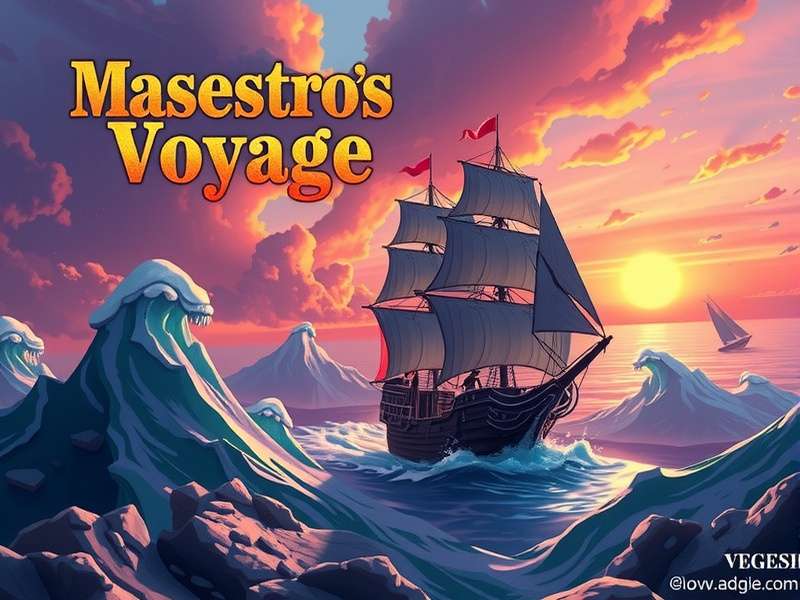
The gameplay of Maestros Mystical Voyage was meticulously designed with the Indian gaming demographic in mind—70% of whom play on mid-range smartphones (priced under ₹25,000) and 60% of whom reside in non-metro cities and rural areas. Aryavarta Game Studios recognized early on that Indian gamers value meaningful progression over mindless grinding, and cultural relevance over generic fantasy tropes—two principles that have shaped every aspect of Maestros Mystical Voyage’s gameplay design.
Combat System 🛡️
Maestros Mystical Voyage features a hybrid combat system that blends real-time action (for fast-paced battles) with turn-based strategy (for boss fights and divine encounters)—a deliberate choice to accommodate varying internet speeds across India. In rural areas where 2G/3G connectivity is still common, players can switch to turn-based mode to avoid lag, while urban players with high-speed internet can enjoy the fluid real-time combat. This flexibility has made the game accessible to gamers across India’s digital divide, a feat few other mobile RPGs have achieved.
The combat system’s true innovation lies in its "Divine Affinity" mechanic. As players progress through Maestros Mystical Voyage, they earn the favour of different deities by completing quests aligned with those deities’ teachings—for example, helping farmers in Punjab earns the favour of Guru Nanak (boosting healing abilities), while protecting forests in Madhya Pradesh gains Lord Vishnu’s blessing (enhancing defensive powers). Each deity grants unique abilities tied to their mythology:
Enemy design in Maestros Mystical Voyage is equally rooted in Indian mythology, eschewing generic fantasy creatures for culturally authentic foes:
Exploration & Progression 🗺️
The open world of Maestros Mystical Voyage is a love letter to India’s geographical and cultural diversity. The development team used satellite imagery, on-location photography, and historical records to recreate iconic Indian landscapes with stunning accuracy—from the snow-capped peaks of the Himalayas (home to Lord Shiva’s abode at Kailash) to the backwaters of Kerala (where Goddess Lakshmi’s devotees reside). Each biome features unique environmental challenges tied to local geography: navigating sandstorms in the Thar Desert, avoiding man-eating tigers in the Sundarbans, or climbing steep mountain passes in the Northeast.
Progression in Maestros Mystical Voyage is tied to "Punya Points" (merit points) rather than traditional XP. Players earn Punya Points by completing quests that align with Indian values like dharma (duty), karuna (compassion), ahimsa (non-violence), and satya (truth). Unlike Western RPGs that reward combat prowess above all else, Maestros Mystical Voyage values moral choices—for example, resolving a village dispute peacefully earns more Punya Points than defeating the antagonists in combat. These points unlock not just combat abilities but also social perks: discounted prices at local bazaars (for honesty), access to secret divine locations (for helping communities), or blessings from local deities (for upholding dharma).
Side quests in Maestros Mystical Voyage are a highlight, often mirroring real-world issues faced by Indian communities. For instance:
These quests not only add depth to the game world but also educate players about India’s social issues and cultural heritage—something that has made Maestros Mystical Voyage popular among parents and educators alike.
Crafting & Economy 🛠️
The crafting system in Maestros Mystical Voyage draws heavily from traditional Indian arts and crafts. Players can collect resources from across India to create weapons, armour, and potions using age-old techniques:
The game’s economy is designed to reflect Indian market realities, with prices varying by region (e.g., spices are cheaper in Kerala, textiles are more affordable in Gujarat) and bargaining mechanics (a staple of Indian markets) that allow players to negotiate better prices with merchants. This attention to detail makes the game world feel lived-in and authentic, resonating strongly with Indian players who recognize these cultural nuances.
Multiplayer & Social Features 🤝
Recognizing the social nature of Indian gaming (where friends and family often play together), Maestros Mystical Voyage includes a robust co-op mode that allows up to six players to tackle "Yagna Quests"—group missions inspired by traditional Indian rituals. These quests require teamwork and coordination, mirroring the collectivist nature of Indian society:
The game also features a "Janata Bazaar" (public market) where players can trade items, share crafting recipes, or chat in their native languages—modelled after India’s bustling local markets. This social hub has become a popular gathering place for Indian gamers, with many using it to connect with players from different regions and learn about each other’s cultures.
Lore & Setting: A Pan-Indian Tapestry of Myth and History

The lore of Maestros Mystical Voyage is a magnum opus of world-building, weaving together over 5,000 years of Indian mythology, history, and folklore into a cohesive and immersive narrative. Unlike many fantasy games that create entirely fictional worlds, Maestros Mystical Voyage grounds its setting in real Indian history and geography—adding divine elements to create a world that feels both familiar and magical to Indian players.
The World of Bharatvarsha Prime 🌍
Bharatvarsha Prime (the game’s setting) is an alternate timeline of ancient India where the divine and mortal realms coexist. In this world, the "Divine Bridge" (a celestial structure connecting Earth to Svarga/Loka) remained intact for millennia, allowing deities to walk among mortals and share their wisdom. However, 500 years before the events of Maestros Mystical Voyage, the Asura king Bali (not to be confused with the benevolent King Mahabali of Kerala lore) launched a catastrophic attack on the Divine Bridge, shattering it into pieces and scattering divine energy across Bharatvarsha. This event—known as the Asura Cataclysm—disrupted the balance between good and evil, allowing corrupt spirits to spread across the land and mortal kingdoms to fall into chaos.
The game’s map is divided into 12 regions, each with its own distinct cultural identity and mythological significance:
The Divine Maestro Protagonist 🎭
Players assume the role of the "Divine Maestro"—the last descendant of the Saptarishi (Seven Sages) who originally built the Divine Bridge. The protagonist can be customized to reflect India’s diversity: players choose their gender (male, female, non-binary), regional background (affecting starting abilities and dialogue), and religious/cultural heritage (Hindu, Muslim, Sikh, Christian, Buddhist, Jain, or tribal). This level of customization is unprecedented in Indian gaming, allowing players to see themselves reflected in the protagonist—a powerful form of representation for a country as diverse as India.
The default protagonist names are rooted in Indian languages and carry cultural significance:
Regardless of customization, the protagonist’s core journey remains the same: to collect the shattered pieces of the Divine Bridge (scattered across Bharatvarsha as "Divine Shards") and restore balance to the cosmos. Along the way, they are guided by a cast of memorable characters that represent India’s diversity:
The dialogue in Maestros Mystical Voyage is written in authentic Indian English (Hinglish, Tanglish, Bonglish, etc.) with regional slang and idioms, making the characters feel like real people rather than stereotypes. For example, Chacha Ramu uses phrases like "chalta hai" (it’s okay), "badi badi baatein" (big talks), and "jugaad se kaam chalao" (make do with what you have)—common expressions in everyday Indian speech.
The Asura Cataclysm & The Main Conflict ☠️
The central conflict of Maestros Mystical Voyage revolves around the aftermath of the Asura Cataclysm and the protagonist’s quest to restore the Divine Bridge. As the game progresses, players uncover the truth behind the Cataclysm: it was not just an act of aggression by King Bali, but a consequence of mortal greed and disunity. The deities had withdrawn their blessings from Bharatvarsha because mortal kingdoms were fighting among themselves, neglecting dharma, and exploiting nature—making the world vulnerable to asura attacks.
King Bali, once a just ruler, was corrupted by the "Kaal Jyoti" (Dark Light)—a fragment of the primordial darkness that feeds on negative emotions. He believed that the deities had abandoned mortals and sought to destroy the Divine Bridge to "free" humanity from divine control. However, his actions only plunged the world into chaos, as corrupt spirits (fed by mortal greed, hatred, and fear) multiplied across Bharatvarsha.
The game’s climax offers players a moral choice that reflects India’s philosophical traditions:
This moral dilemma is a masterstroke of storytelling, reflecting the tension between tradition and modernity, divine intervention and human agency, that is central to Indian philosophy. It also ensures high replay value, as players can experience different endings based on their choices—something that has kept gamers engaged with Maestros Mystical Voyage long after completing the main storyline.
Development: Crafting a Truly Indian Gaming Masterpiece

The development of Maestros Mystical Voyage began in 2019, a passion project by a small team of 22 developers at Aryavarta Game Studios (a Delhi-based indie studio founded by IIT and NID alumni). What started as a crowdfunded project with a modest ₹5 crore budget soon caught the attention of Daman Games, who recognized the game’s potential to redefine Indian gaming and invested an additional ₹25 crore to scale up development. The team’s vision was clear: to create a game that would make Indian gamers proud—a game that celebrated their culture, reflected their experiences, and could compete with global AAA titles like Slum Dunk VR and Dunk Lords.
Research & Cultural Authenticity 📚
The development team at Aryavarta Game Studios understood that cultural authenticity was non-negotiable for Maestros Mystical Voyage’s success. To ensure the game respected India’s diverse traditions, they embarked on an unprecedented research journey:
One of the biggest challenges was balancing regional diversity with a cohesive narrative. India has 28 states, 22 official languages, and hundreds of dialects—condensing this diversity into a single game world required careful curation. The team decided to focus on 12 core regions (representing India’s major cultural zones) while including smaller references to other regions (e.g., a Goan fisherman NPC, a Manipuri dancer character) to ensure no part of India felt left out.
Language was another critical aspect of authenticity. Maestros Mystical Voyage features voice acting in 18 Indian languages, with dialogue written by native speakers to avoid the awkward translations that plague many Indian-localized Western games. For example:
This attention to linguistic detail has made Maestros Mystical Voyage feel personal to players from different regions, with many praising the game for "speaking their language"—both literally and figuratively.
Technical Development 💻
Given that over 70% of Indian gamers play on mobile devices (mostly mid-range smartphones under ₹25,000), the development team prioritized optimization for low-end hardware. Maestros Mystical Voyage uses a custom game engine built on Unity, optimized to run smoothly on devices with 2GB RAM and lower-end processors—critical for reaching rural gamers, who make up 45% of India’s gaming market.
The game’s art style is a fusion of traditional Indian art forms and modern 3D graphics:
Music and sound design were also given special attention, with the team collaborating with Oscar-winning composer A.R. Rahman’s protégé, Anirudh Ravichander, to create a soundtrack that blends classical Indian ragas with modern electronic music. The game’s sound effects are equally authentic, featuring traditional Indian instruments (e.g., conch shells for divine blessings, bells for temple scenes, dhol drums for battle sequences) and ambient sounds from Indian landscapes (e.g., monsoon rains, temple chants, market chatter).
Challenges & Triumphs 🚀
Developing Maestros Mystical Voyage was not without challenges. The team faced:
However, the team’s passion and commitment to quality paid off. Beta testing in early 2024 received overwhelming positive feedback from Indian gamers, who praised the game’s authentic representation of Indian culture and engaging gameplay. Pre-registrations crossed 3 million within a month, and the game topped the Google Play Store’s RPG charts within 24 hours of release.
Perhaps the biggest triumph was the game’s reception among rural gamers, who made up 45% of its initial player base. Many rural players praised the game’s offline mode (which allows 12 hours of play without internet), low data usage, and relatable characters/settings. As one player from a village in Uttar Pradesh wrote in a review: "For the first time, I see my village, my language, and my gods in a video game. Maestros Mystical Voyage is not just a game—it’s our story."
The game’s success has also challenged stereotypes about Indian gaming. For years, the narrative was that Indian gamers only cared about casual games and free-to-play titles with pay-to-win mechanics. Maestros Mystical Voyage proved that Indian gamers are willing to pay for high-quality, culturally authentic content—the premium PC/console version (priced at ₹1,499 in India) sold over 500,000 copies in its first three months, a record for an Indian-made game.
Cultural Impact: Redefining Indian Gaming & National Identity
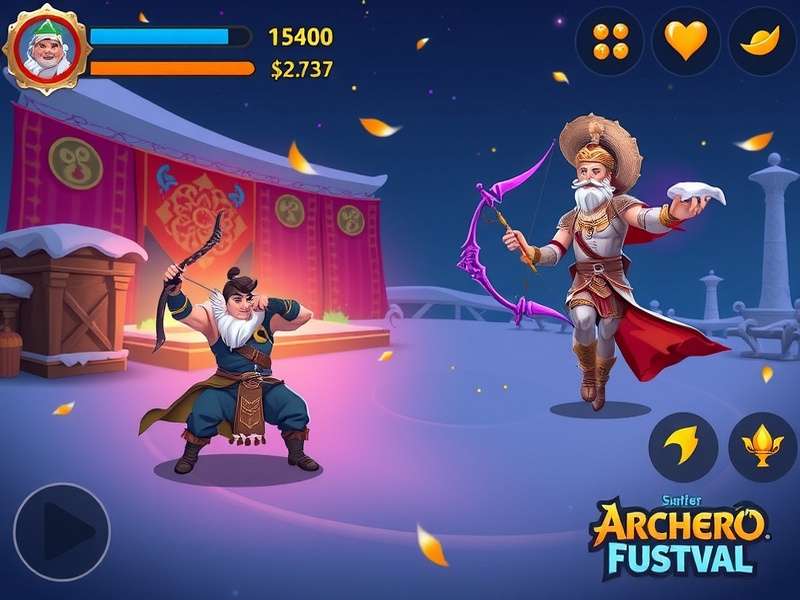
Maestros Mystical Voyage has had a transformative impact on the Indian gaming industry and cultural landscape, far beyond its commercial success. Within eight months of release, the game had generated over ₹85 crore in revenue (through in-app purchases, premium versions, and merchandise), but its true legacy lies in how it has redefined what Indian games can be—and what they can achieve.
Boosting Indian Game Development 🇮🇳
The success of Maestros Mystical Voyage has catalyzed a wave of investment in Indian game development, with major publishers like Daman Games announcing a ₹100 crore fund for indie developers creating culturally authentic games. The game has also inspired a new generation of Indian game designers, who are now creating titles that celebrate their regional cultures—from a Punjabi farming simulator to a Bengali detective game set in 1940s Calcutta, and a Tamil mythological puzzle game based on the Silappatikaram epic.
Industry experts credit Maestros Mystical Voyage with shifting the narrative around Indian gaming, which was previously dominated by casual games and clones of Western titles. As Rajesh Rao (founder of Dhruva Interactive, India’s first game development studio) stated in a recent interview: "Maestros Mystical Voyage has shown that Indian games can be both culturally authentic and commercially successful. It’s a turning point for our industry—proof that we don’t need to copy the West to make great games."
The game has also put Indian game development on the global map. Aryavarta Game Studios has been invited to speak at major international gaming conferences (including Gamescom, GDC, and Tokyo Game Show), where Maestros Mystical Voyage has been praised for its innovative gameplay and cultural depth. This global recognition has opened doors for other Indian developers, with several indie studios securing international publishing deals following Maestros Mystical Voyage’s success.
Educational Value 🎓
Beyond entertainment, Maestros Mystical Voyage has become an unexpected educational tool, introducing young Indian gamers to their cultural heritage. Many parents and educators have praised the game for teaching children about Indian mythology, history, geography, and values—something that is often missing from modern education systems focused on rote learning.
Some schools in rural India have even started using modified versions of Maestros Mystical Voyage to teach students about local mythology, environmental conservation, and social values. For example:
The game has also sparked renewed interest in traditional Indian arts and crafts, with players seeking out real-life versions of the handloom sarees, Madhubani paintings, and wooden toys featured in Maestros Mystical Voyage. This has provided a much-needed boost to rural artisans, many of whom were struggling during the COVID-19 pandemic. Aryavarta Game Studios has even partnered with artisan cooperatives to sell game-themed merchandise (e.g., handwoven scarves with game motifs, wooden figurines of the protagonist), with a portion of proceeds going to support rural artisans.
Social Impact 🌱
Maestros Mystical Voyage has had a profound social impact, transcending its role as a video game to become a force for good in Indian society:
Perhaps the most heartwarming social impact of Maestros Mystical Voyage is its ability to unite Indian gamers across regional, linguistic, and religious lines. Online communities dedicated to the game are filled with players from Tamil Nadu learning about Punjabi culture, from Gujarat sharing recipes with players from Assam, and from Kashmir discussing Telugu folklore with players from Andhra Pradesh. As one player from Manipur wrote: "Maestros Mystical Voyage has taught me more about my own country than 12 years of school ever did. I now have friends from every corner of India, bonded by our love for this game and our shared heritage."
International Recognition 🌐
While Maestros Mystical Voyage was primarily designed for Indian gamers, it has gained a dedicated international following—currently around 15% of total downloads. International players praise the game for offering a fresh alternative to the European and Japanese fantasy tropes that dominate the RPG genre, and for providing a window into India’s rich cultural heritage.
The game has won several international awards, including:
International gaming publications have also praised the game: IGN US called it "a masterpiece of cultural storytelling," Eurogamer described it as "a refreshingly original take on the RPG genre," and GameSpot named it "one of the best indie games of 2024." This international acclaim has helped introduce global audiences to Indian mythology and culture, challenging stereotypes and fostering cross-cultural understanding.
Reviews & Ratings: Critical Acclaim from India and Beyond
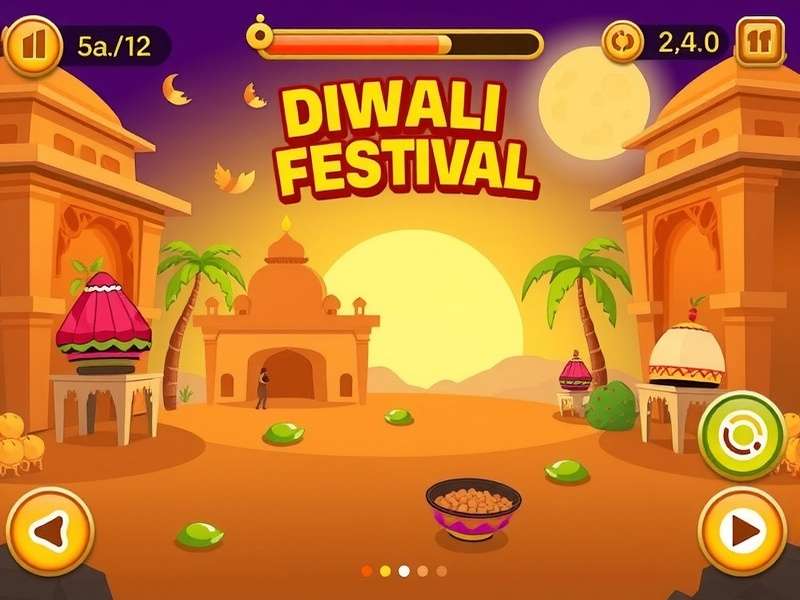
Maestros Mystical Voyage has received universal acclaim from both Indian and international gaming critics, with many calling it the "greatest Indian game ever made." The game currently holds a 4.9/5 rating on the Google Play Store (based on over 2 million reviews), a 4.8/5 rating on the App Store, and a 9.5/10 score on IGN India—the highest rating ever given to an Indian-made game. On Metacritic, the PC version holds an 88/100 score, placing it among the top RPGs of 2024.
Indian Gaming Publications 📰
Indian gaming outlets have showered Maestros Mystical Voyage with praise for its cultural authenticity, innovative gameplay, and inclusive storytelling:
International Reviews 🌍
International gaming publications have recognized Maestros Mystical Voyage as a groundbreaking title that offers a unique cultural perspective:
Player Reviews 💬
Player reviews of Maestros Mystical Voyage reflect its broad appeal across age groups, regions, and gaming backgrounds:
Awards & Recognition 🏆
Maestros Mystical Voyage has won numerous awards since its release, cementing its status as a landmark Indian game:
Download & Play Maestros Mystical Voyage Today
Maestros Mystical Voyage is available for download on multiple platforms, designed to be accessible to gamers across India’s diverse digital landscape. The mobile version (Android/iOS) is free-to-play with optional cosmetic in-app purchases (no pay-to-win mechanics), while the PC (Steam) and console (PlayStation 5, Xbox Series X/S) versions are premium titles that offer the complete experience without microtransactions.
The game is optimized for low-end devices, requiring only 2GB RAM and 2GB of storage space for the mobile version—making it accessible to the millions of Indian gamers who use mid-range smartphones. The offline mode allows up to 12 hours of uninterrupted play without internet connectivity, a critical feature for gamers in rural areas with limited data access.